Have you signed up? New York State utility subsidy
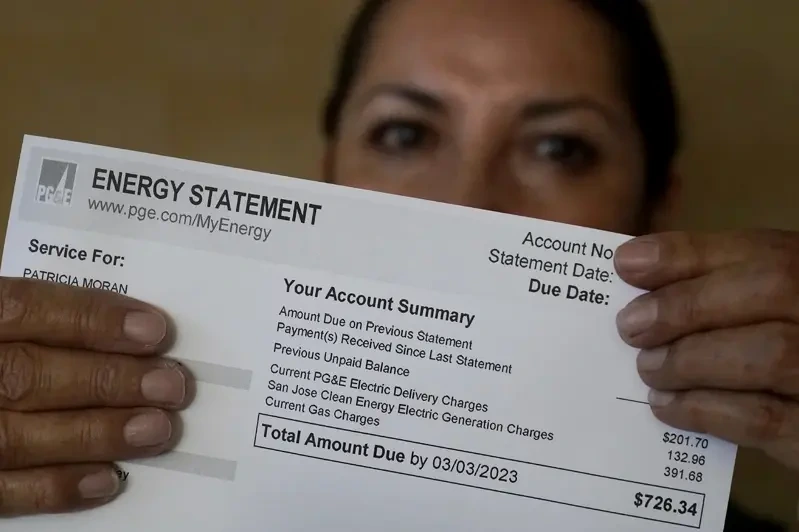
New York State launched its Energy Affordability Program (EAP) registration promotion campaign on May 15, aiming to make more residents who meet the subsidy conditions aware of the policy and actively register. The state estimates that 2.5 million families are eligible but not yet registered for subsidies.
Save up to $500 per year but must register yourself with white card and other benefits can also be received
The New York State EAP program aims to keep utility bills for ordinary households to less than 6 percent of their total income, and low-income households can register to join the program to receive discounts on utility bills, saving up to $500 per year. In January of this year, the state further expanded EAP eligibility to all households with incomes below the statewide or New York City median, but based on legal requirements such as privacy protection, the program would not automatically include eligible people, but would require their active registration to file.
According to the criteria, single residents in New York City qualify for subsidies if their annual income is less than $113,400; The discount on utility bills depends on the specific income figures of the household.
Governor Kathy Hochul said there are still 2.5 million families eligible but not yet registered for the policy to benefit the people, so the state has launched a campaign again. Promotions include digital advertising placement, letter or email notifications, and communication to residents in collaboration with community service agencies.
Families who have not yet joined any public welfare program but have met the EAP subsidy standards may consult with their own public utility company (mainly Con Edison or National Grid within New York City) regarding filing matters. For families who are receiving benefits, it is possible that the system has included the family in the EAP system, but the degree of networking of different benefit items is different and requires self-confirmation, confirming that consultation can also be sought from the public utility company.